Introduction
In the world of digital design, UX, user research, and interaction design are often used as if they were synonyms or interchangeable steps. In meetings, in job postings, in conversations - these terms get blurred together until they lose their meaning entirely.
But they are not the same thing. And understanding the difference is not a matter of academic precision - it's the foundation of doing the work well.
"Design without research is just decoration. Research without design is just data."
User Research: listening before speaking
User research is the discipline of understanding people - their needs, their mental models, their frustrations, their context. It happens before anything is designed, during the design process, and after launch. It never really stops.
The tools of user research are many: interviews, ethnographic observation, surveys, usability tests, analytics analysis, card sorting, diary studies. But the tool matters less than the mindset: genuine curiosity about people who are not you.
- Qualitative research tells you why people behave the way they do
- Quantitative research tells you how many people behave that way
- Both are necessary - neither alone is sufficient
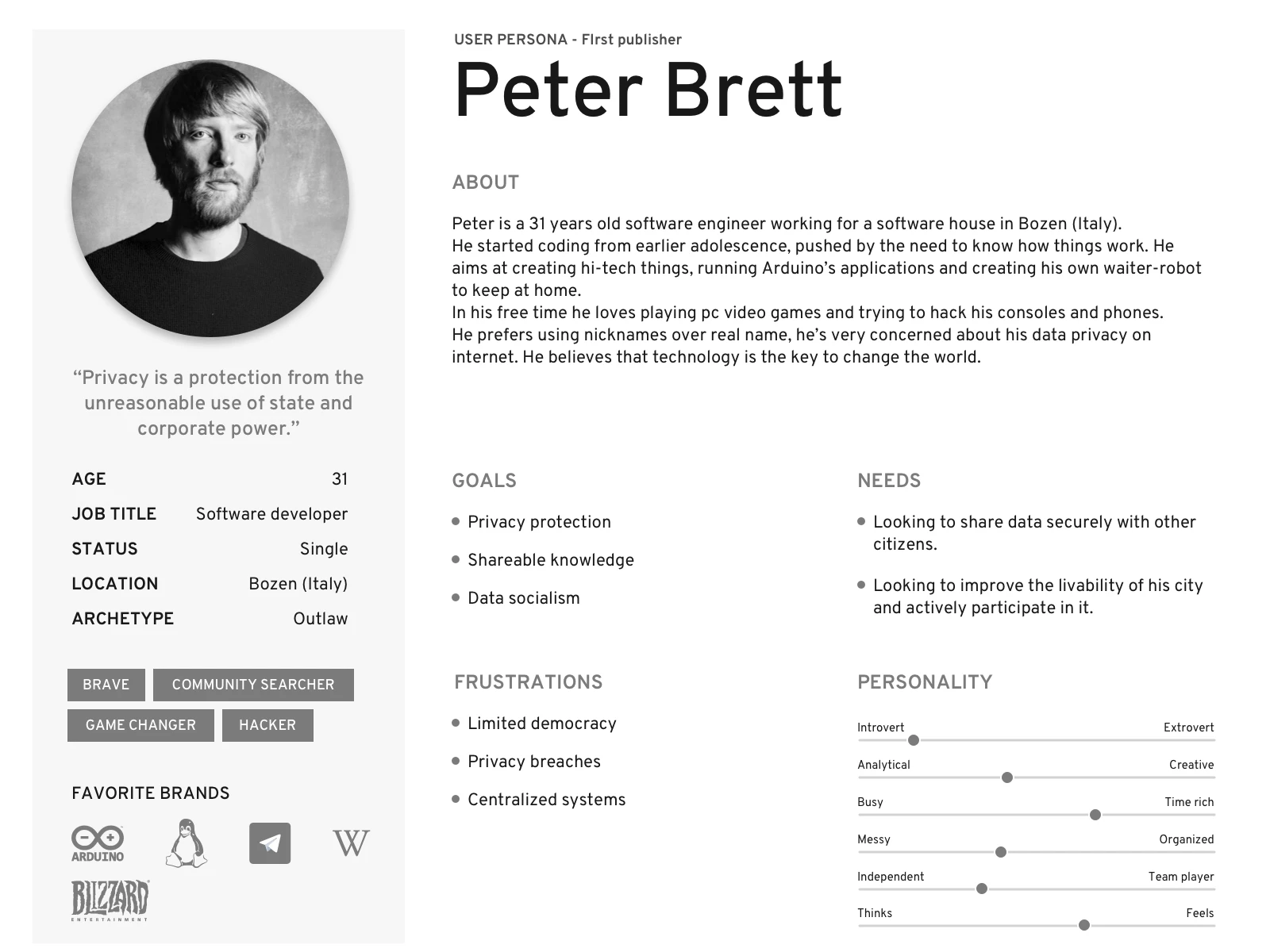
A common mistake is treating research as a one-time phase - a checkbox before "real" design begins. In reality, research should be woven into the entire product lifecycle. The most successful products I've worked on were built by teams that stayed genuinely curious about their users throughout the whole process.
UX Design is where research becomes structure. It's the discipline of organizing information, flows, and interactions in a way that makes sense to the people who will use them - not just to the people who built them.
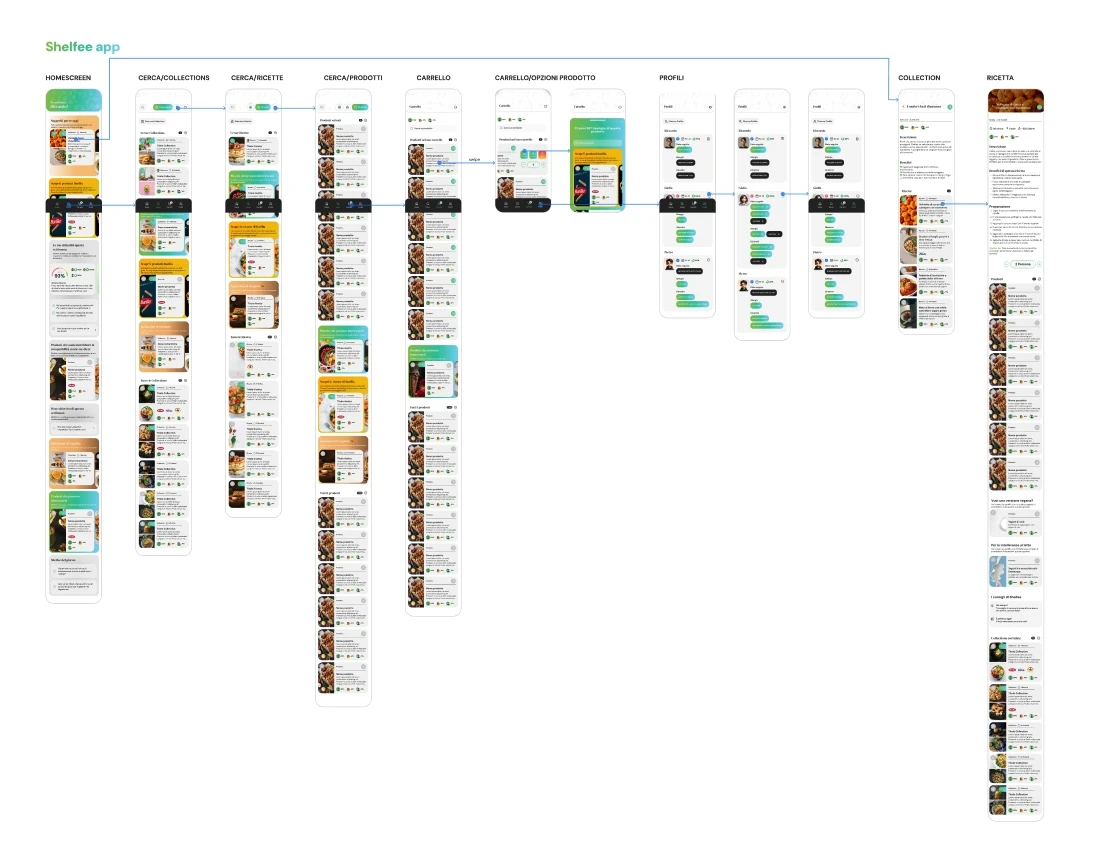
UX designers work on information architecture, user flows, wireframes, and prototypes. They ask: What does this user need to accomplish? What's the clearest path to get there? Where might they get confused or lost?
Good UX is often invisible. When an app feels effortless - when you can find what you need without thinking - that's UX doing its job. When you're confused, frustrated, or stuck, that's UX that hasn't done its job.
The output of UX design is not a visual design. It's a logic - a clear, tested rationale for how a product should work. The visual layer comes after.
Interaction Design: designing the moments
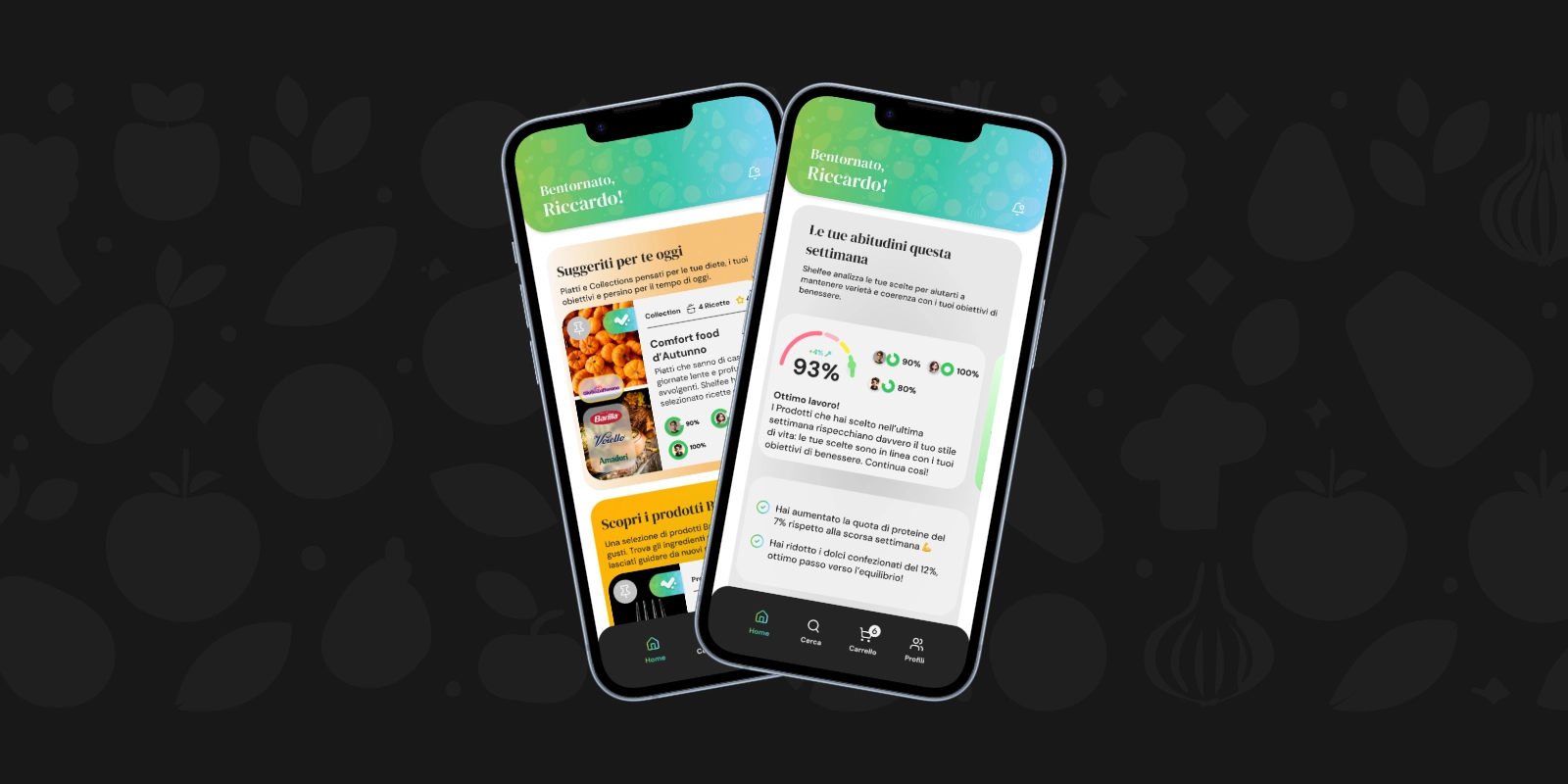
Interaction Design (IxD) zooms in further. Where UX thinks about flows and structures, interaction design focuses on the specific moments when a user touches the product - the tap, the swipe, the hover, the transition, the feedback.
It answers questions like: What happens when I press this button? How does this screen transition to the next? What feedback does the system give when an action fails? How long should an animation last to feel responsive without feeling slow?
"Interaction design is about the conversation between the user and the product - every gesture, every response, every pause."
Interaction designers think about time and motion - not just space and layout. They define microinteractions, state changes, affordances, and feedback loops. They work at the boundary between design and engineering, often collaborating closely with developers to ensure that what is designed can be built and actually feels right in the hand.
How they work together
In practice, these three disciplines overlap and inform each other constantly. A UX designer might conduct their own research. An interaction designer might rethink the flow of a screen. A researcher might prototype to test an idea. The boundaries are fluid - what matters is that all three perspectives are present in the process.
- Research tells you what problem to solve and for whom
- UX defines how to organize the solution
- Interaction Design determines how it feels to use it
The mistake many organizations make is investing in one while neglecting the others. Beautiful interactions built on wrong assumptions fail. Well-researched products with poor interaction design frustrate users. Solid UX with no research is just an educated guess.
Conclusion
Understanding these distinctions won't make you a better designer overnight. But it will help you ask better questions, build better teams, and have more honest conversations about what work actually needs to be done - and who is best placed to do it.
Design is not a single discipline. It's a constellation of skills that, when combined thoughtfully, creates experiences people actually want to use.